
Concrete in the Desert Climate
Concrete is everywhere in Las Vegas — driveways, patios, pool decks, and walkways. It’s durable, but in the desert climate, even concrete takes a beating. The combination of scorching sun, dry air, and sudden downpours makes surfaces crack, fade, and wear out faster than expected.
That’s why Las Vegas homeowners trust Concrete Sealing, as it has become an essential part of keeping outdoor surfaces in good shape. Sealing doesn’t just improve appearance — it extends the life of concrete, protects it from damage, and makes everyday maintenance much easier.
What Does Concrete Sealing Do?
At its core, sealing concrete is about adding a protective layer. A high-quality sealer penetrates or coats the surface to guard against:
- Moisture intrusion that causes cracks and surface wear.
- Oil, grease, and chemical stains common on driveways and garages.
- UV fading that turns gray concrete dull and chalky.
- Surface dusting — when unsealed concrete begins to shed fine powder.
In a desert city like Las Vegas, sealing becomes less of a cosmetic choice and more of a smart way to protect your investment.
The Everyday Benefits for Homeowners
- Longer Life for Driveways and Patios
Concrete driveways in Las Vegas face constant stress: cars, hot tires, oil drips, and extreme heat. Without sealing, small cracks grow, stains soak in, and the surface weakens. A sealer creates a barrier that reduces damage and extends the usable life of the slab. - Easier Cleaning
Unsealed concrete absorbs liquids. Once motor oil, drinks, or pool chemicals sink in, they’re nearly impossible to remove. Sealed surfaces resist absorption, so spills wipe away before they leave a permanent mark. - Better Appearance
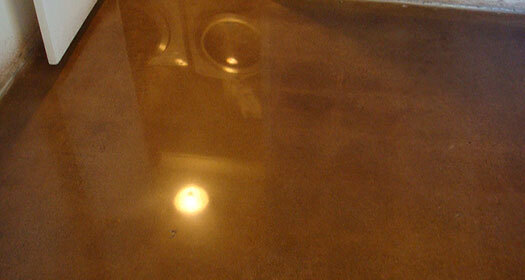
Freshly sealed concrete looks richer and more vibrant. Color hardeners or decorative finishes stay intact longer, while plain concrete develops a cleaner, smoother look. Many homeowners describe the difference as a “before and after” transformation. - Safer Surfaces
Sealers can add slip resistance to patios and pool decks. In an area where water, sunscreen, and dust mix on surfaces, that extra grip helps reduce accidents. - Protection Against the Las Vegas Climate
The desert sun can bleach and weaken unprotected concrete. A sealed surface resists UV damage and prevents surface breakdown, even during the hottest months of summer.
Concrete Sealing Options
Homeowners often don’t realize there are different types of sealers, each offering unique advantages:
- Penetrating sealers → soak into the concrete to protect against water, de-icing salts, and chemicals without changing appearance.
- Film-forming sealers → sit on the surface, adding a glossy or matte finish that also resists stains.
- Decorative sealers → enhance colored or coated concrete by bringing out depth and vibrancy.
These concrete sealing options give homeowners flexibility, whether the goal is invisible protection or a bold, polished look.
Concrete Sealing Before and After: The Visual Difference
Sealing isn’t only about protection. The transformation in appearance can be dramatic.
- Before: A dusty driveway with faded gray spots and oil stains. A patio that looks weathered and rough.
- After: Richer color, smoother texture, and a clean surface that resists dirt and water.
These concrete sealing before and after changes are often what surprises homeowners most. The surfaces look newer while being easier to maintain.
When Concrete Repair and Sealing Go Hand-in-Hand
If cracks or chips already exist, sealing works best after repairs. Filling gaps, patching spalled areas, and smoothing rough spots creates a strong base. The sealer then locks everything in place, preventing new damage from spreading.
This combination of concrete repair and sealing ensures the surface is protected both cosmetically and structurally.
How Often Should Concrete Be Sealed?
In many regions, resealing every few years is enough. In Las Vegas, with its intense climate, concrete often benefits from sealing every 2–3 years. Driveways and pool decks, because of constant stress, may need it sooner than patios or walkways.
The key is inspection: once you notice water soaking into the surface instead of beading up, it’s time to reseal.
Factors That Affect Concrete Sealing Cost
Every surface is different, so costs vary. The main factors include:
- Size of the area — driveways and large patios require more material and labor.
- Surface condition — cracked or stained concrete needs prep before sealing.
- Type of sealer — penetrating, decorative, and film-forming sealers come at different price points.
- Frequency of resealing — maintaining surfaces regularly is often more cost-effective than waiting for serious wear.
While exact numbers vary, the key takeaway is that sealing is far less expensive than replacing a damaged slab.
Why Concrete Sealing Is Necessary in Las Vegas
Some homeowners wonder, is sealing concrete necessary? In Las Vegas, the answer is almost always yes. The combination of:
- Year-round sun exposure,
- Intense summer heat, and
- Sudden rainfall that seeps into tiny cracks
makes unsealed concrete deteriorate much faster. Sealing isn’t just about looks — it’s about keeping surfaces functional and safe for longer.
Building Durability Into Everyday Living
Las Vegas homeowners invest in their outdoor spaces — driveways, patios, and pool decks that connect the home to the desert lifestyle. Without protection, those concrete surfaces wear down quickly.
The solution is simple: a concrete sealing Las Vegas residents can rely on for strength, safety, and appearance. It’s a step that saves money, keeps homes looking sharp, and helps concrete stand up to one of the harshest climates in the country.